

Quick answer
San Diego dolphin watching season runs year-round, with peak activity from March through November when both common dolphins and Pacific white-sided dolphins migrate closer to shore. Bottlenose dolphins inhabit the bay permanently, offering reliable sightings every month. Spring and early summer yield the highest pod counts, while winter months bring calmer bay conditions but fewer offshore species. Morning departures between 7:00 and 10:00 coincide with the most active feeding windows.
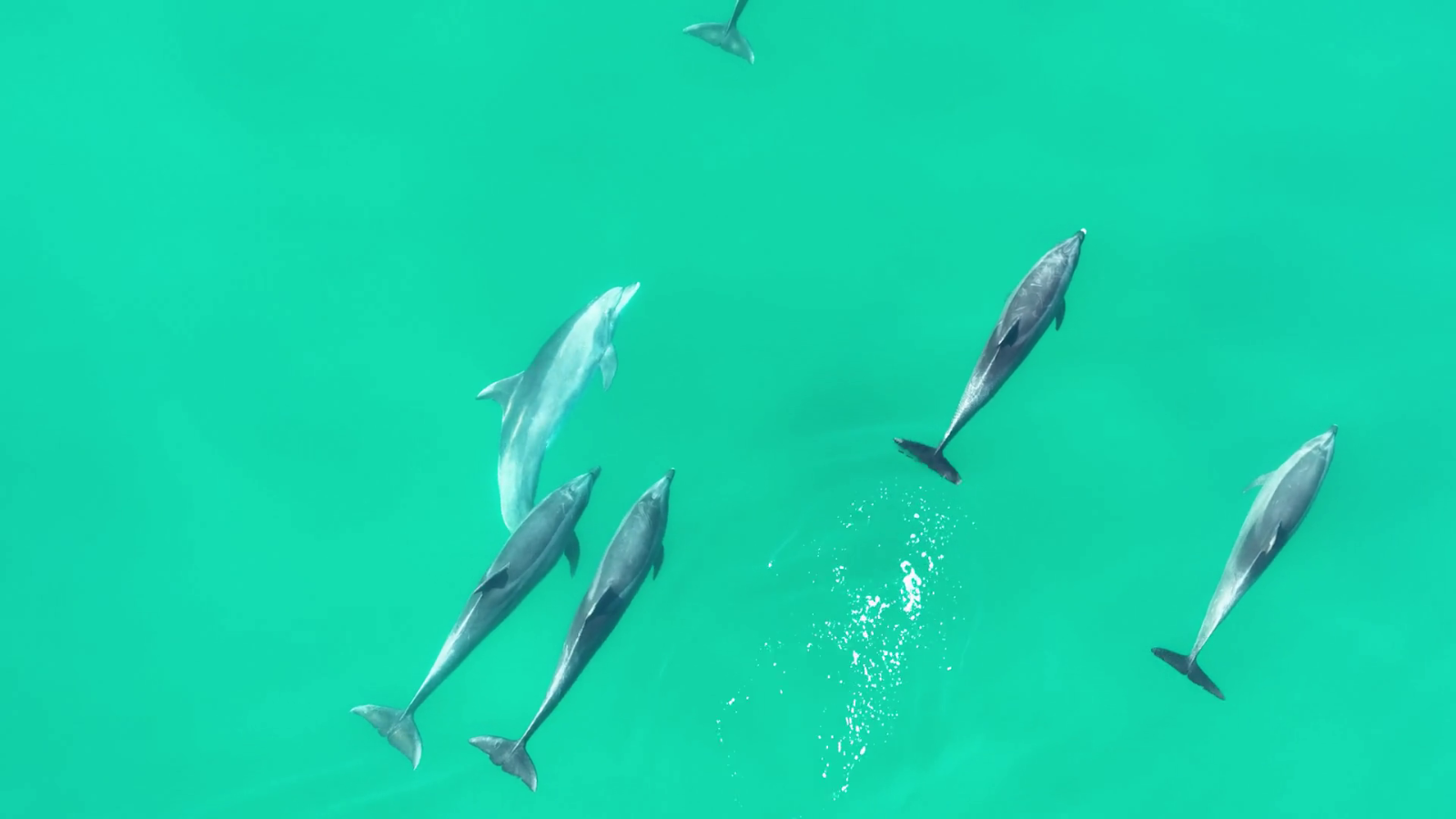
More than 450 individual bottlenose dolphins hold year-round territory in San Diego Bay, a population density unmatched along California's southern coast. That resident community forms the backbone of the region's marine watching calendar, but the full answer to seasonal timing depends on which species you're hoping to encounter and how far offshore you're willing to travel. The san diego dolphin watching season divides into two overlapping windows. Bottlenose dolphins—the bay's permanent residents—patrol the shallow waters near Harbor Island, Shelter Island, and the Coronado Bridge throughout all twelve months, feeding on schooling fish that follow tidal currents. Their presence makes San Diego one of the few mainland ports where a dolphin sighting carries near-certainty regardless of departure date. The second window opens in early spring when Pacific common dolphins and white-sided dolphins follow the California Current closer to shore, drawn by spawning sardine and anchovy runs. March through October marks the corridor migration period, with mega-pods—sometimes exceeding a thousand animals—passing within a few miles of Point Loma. These pelagic species rarely enter the bay itself but dominate the offshore zones that tour vessels reach within twenty minutes of departure. Seasonal behavior shifts the character of each encounter. Spring departures in April and May intersect with the highest biodiversity: resident bottlenose pods in the inner bay, migratory common dolphins in the mid-range waters off Zuniga Point, and occasional Risso's dolphins along the outer shelf. Calves born during winter months become visible at the surface by late spring, and pod energy peaks as water temperatures climb into the mid-sixties. Summer months from June through August deliver the warmest sea surface temperatures and the longest daylight windows, but afternoon winds can roughen conditions beyond the harbor mouth. Fall—September through early November—balances accessibility and activity, with calmer mornings and lingering warmth that keeps common dolphin pods within range. Winter sightings lean heavily on the resident bottlenose population; offshore species retreat to deeper water, and tour operators focus routes inside the bay where swells stay manageable. Departure timing matters as much as the month. Dolphins feed most actively in early morning when baitfish schools rise toward the surface, and boat traffic remains light enough that pods approach vessels out of curiosity rather than avoidance. The 7:00 to 10:00 window captured in the bay's operational guidance reflects both tidal rhythm and animal behavior, not arbitrary scheduling. Afternoon trips still yield sightings—especially of the resident bottlenose population—but the encounter often shifts from bow-riding and surface acrobatics to distant dorsal fins as animals rest between feeding cycles. Tour operators working San Diego Bay maintain no formal closure season; the bay itself remains accessible around the clock, and the resident dolphin population ensures that no departure month qualifies as a true off-season. What changes across the calendar is the likelihood of encountering multiple species in a single outing and the sea state you'll navigate to reach them.
“More than 450 individual bottlenose dolphins hold year-round territory in San Diego Bay, a population density unmatched along California's southern coast.”
San Diego Dolphin Watching Season Daily Operating Hours
San Diego Bay remains accessible 24 hours a day, providing constant public access to the waterfront. While the bay itself is open at all times, dolphin watching tours operate on specific schedules throughout the day.
| monday | 00:00–23:59 | |
|---|---|---|
| tuesday | 00:00–23:59 | |
| wednesday | 00:00–23:59 | |
| thursday | 00:00–23:59 | |
| friday | 00:00–23:59 | |
| saturday | 00:00–23:59 | |
| sunday | 00:00–23:59 |
San Diego Dolphin Watching Season Entrance and Tour Fees
Access to San Diego Bay is open to the public at no cost. Fees only apply when choosing to participate in commercial boat-based dolphin watching tours.
There is no entrance fee for San Diego Bay, though boat-based dolphin watching requires purchasing a ticket from a private tour operator.
Getting to Your San Diego Dolphin Watching Season Departure Point
Dolphin watching departures are concentrated along the San Diego Bay waterfront, primarily near the Embarcadero and Seaport Village. Most visitors arrive via the downtown public transit network or by personal vehicle.
Trolley Green Line to Seaport Village Station
Route 992 to N Harbor Dr & Broadway
I-5 South to Front St/Civic Center exit
Harbor Drive pedestrian path
Expert Tips for the San Diego Dolphin Watching Season
Maximize your chances of observing marine mammals in San Diego Bay by utilizing specific gear and scanning techniques.
Bring polarized sunglasses
Polarized lenses cut surface glare, making it easier to spot the dorsal fins of common and bottlenose dolphins breaking the water.
Use binoculars with wide fields
Optics with 7x or 8x magnification are easier to steady on a moving boat than high-powered versions.
Scan for bird activity
Dolphins often forage alongside flocks of seabirds; look for diving gulls or terns as a sign of underwater feeding.
Layer your clothing
Ocean breezes remain cool even on sunny days, so bring a wind-resistant jacket to stay comfortable during extended observation periods.
Learn surface behavior patterns
Watch for irregular splashes or synchronized swimming patterns, which often indicate dolphins are traveling or hunting in a pod.
Keep your eyes steady
Avoid staring at a single point; scan the horizon in wide arcs to detect movement against the reflective surface of the bay.
Check availability
Frequently Asked Questions About San Diego Dolphin Watching Season
Everything you need to know about san diego dolphin watching season